Liverpool at a glance
| Topic | Details |
|---|---|
| Council | Liverpool City Council |
| Postcode | 2170 (shared with Casula, Moorebank and others) |
| Typical homes | Post-war fibro and brick cottages, 1970s–80s brick veneer, apartments around the city centre |
| Ground | Reactive clay over Wianamatta shale |
| Watch for | Georges River flood controls, strata approvals, asbestos in pre-1990 homes |
What kind of homes does Liverpool have?
Most of Liverpool's suburban streets filled in after the Second World War. Many houses are fibro or brick cottages from the 1950s and 60s, or brick-veneer homes from the 1970s and 80s, and plenty have been extended, rebuilt as duplexes or given a granny flat. Near the station and the city centre, apartment blocks have replaced many older houses.
- Homes built or renovated before 1990 may contain asbestos in eaves, wet-area walls and fibro cladding. Test before demolition or cutting. See asbestos removal costs.
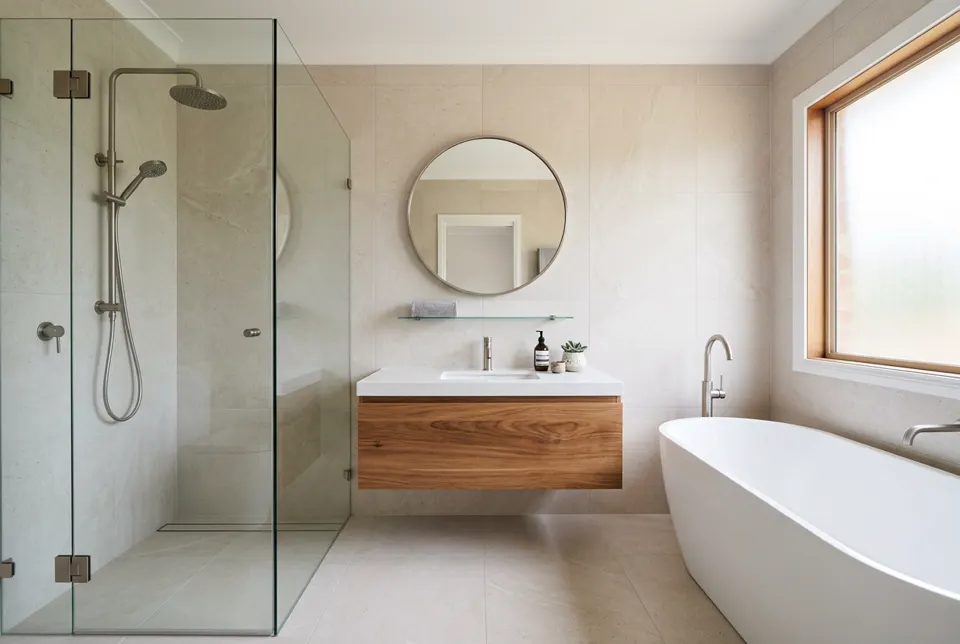
- Original 1960s–80s bathrooms are often the first job, with tired tiles and failed waterproofing. Start with bathroom renovation costs.
- Reactive clay over Wianamatta shale means stepped cracks and sticking doors after long dry spells. Signs you may need underpinning explains when to call an engineer.
Is my Liverpool property flood-affected?
Liverpool City Council describes its area as sitting on a number of floodplains. The Georges River runs along the eastern edge of the city centre, and local creeks drain into it. Council has adopted floodplain risk management plans for the Georges River and the Liverpool CBD, among other catchments. These plans can set minimum floor levels and limit what can be built on lower land.
Before you design an extension, granny flat or knock-down rebuild, get a Section 10.7 planning certificate and ask council for a flood certificate for the address. Flood controls rarely stop an internal kitchen or bathroom renovation, but they can decide which materials suit areas below the flood planning level and whether a ground-floor addition works at all.
Renovating a Liverpool apartment or townhouse
A lot of work in central Liverpool happens inside strata buildings. Under NSW strata law, cosmetic work such as painting usually needs no approval. Minor renovations, such as a kitchen refit or new hard floors, need a general resolution of the owners corporation. Work that affects waterproofing, structure or common property usually needs a special resolution and a by-law. Read your by-laws before you book trades.
- Book the lift and loading dock, and ask about trade parking. On-street parking near the centre is limited and often time-restricted.
- Hard floors in apartments usually need acoustic underlay that meets the building's by-laws.
- Plumbing and electrical work must be done by licensed trades whatever the job size. Check a licence before work starts.
Popular jobs in Liverpool
Bathroom renovations
Plan a bathroom around layout, water management, ventilation and finishes before comparing prices.
Get quotesKitchen renovations
Resolve appliance locations, useful storage and circulation before selecting cabinet finishes.
Get quotesHouse demolition
Plan demolition around approvals, service disconnections, hazardous materials and site access.
Get quotesTilers
Plan tiling around the surface underneath, waterproofing in wet areas and the tile you choose, not just the price per square metre.
Get quotesHandyman services
Get small repairs, odd jobs and maintenance done in one visit, and know when a job needs a licensed specialist instead.
Get quotesUnderpinning
Investigate footing movement and obtain a repair scope based on qualified assessment.
Get quotesCommon questions
Who is the council for Liverpool 2170?
Liverpool City Council covers Liverpool and Casula, which share the 2170 postcode, plus Moorebank, Prestons and the growth areas to the west. It handles development applications, flood information and Section 10.7 certificates. Many smaller jobs can be exempt or complying development, which you can check on the NSW Planning Portal before lodging anything.
Can I build a granny flat on my Liverpool block?
Many Liverpool blocks can take a secondary dwelling as complying development if the lot is large enough and the design meets NSW standards. Flood-affected land, easements and heritage listing can rule that pathway out and push you to a development application instead. Your Section 10.7 certificate is the first thing to check, before paying for plans.
Should I renovate or knock down an older Liverpool house?
It depends on the condition of the frame and footings, the block and what you need. Many 1950s–70s homes on larger blocks are being replaced by duplexes or new homes, while others suit a new kitchen, bathroom and roof. Compare the options in knock-down rebuild vs renovate and test for asbestos before any demolition quote.