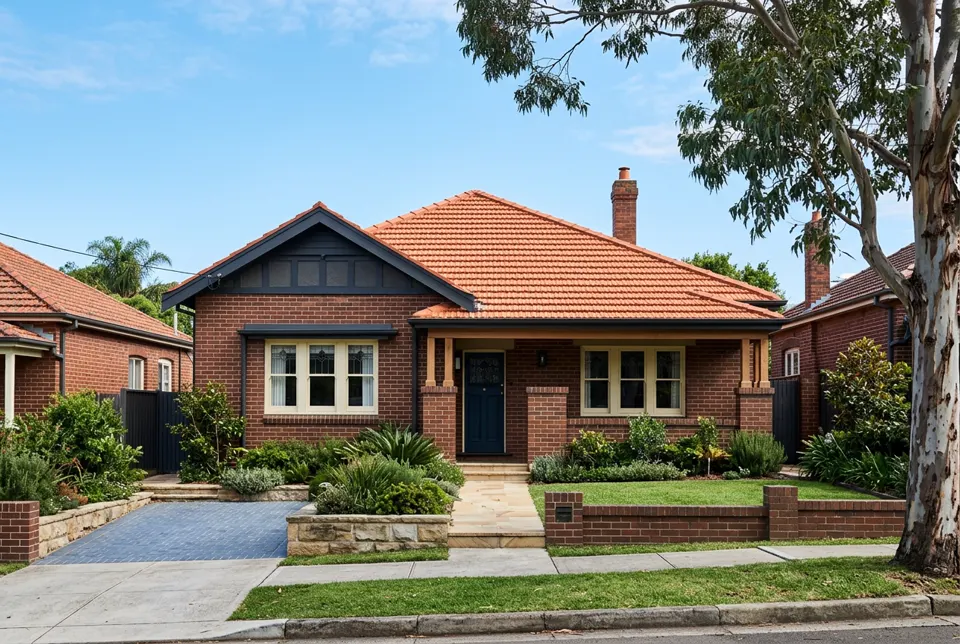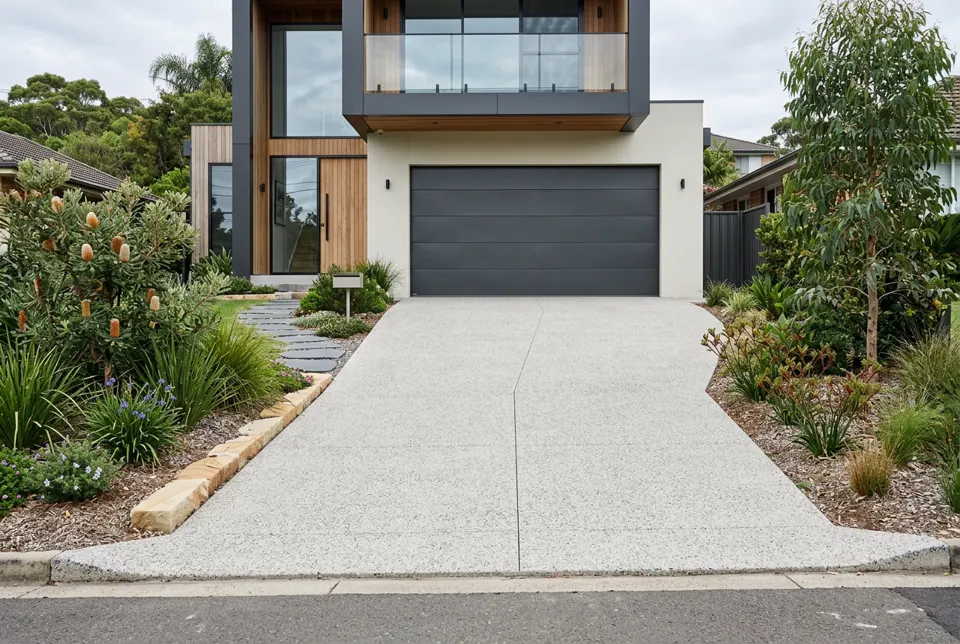
As of October 2026, What’s The Damage puts a knock-down rebuild of a standard 3–4 bedroom single-storey home in Sydney at about $450,000 to $1,000,000 or more, including demolition, which alone runs about $15,000 to $40,000. Its Sydney guide puts a whole-house renovation at about $150,000 to $600,000. Renovating usually makes more sense when the structure is sound and you plan to keep most of the house.
- What’s The Damage (Sydney guide, updated June 2026) puts a 3–4 bed single-storey knock-down rebuild at $450,000 to $1,000,000+, demolition included.
- New builds at a standard finish run about $1,600 to $4,500 per m² (typical $2,300), according to What’s The Damage.
- Sydney demolition contractors publish about $15,000 to $55,000 to demolish a house, before asbestos, slabs or pools.
- A knock-down rebuild usually needs approval to demolish and to build, through a CDC (as little as 20 days) or a DA.
- Homes built before 1990 are likely to contain asbestos, so get an asbestos survey before demolition is priced.
What is a knock down rebuild?
A knock-down rebuild (KDR) means demolishing your existing house and building a new one on the same block. You keep your street, school zone and neighbours, but get a new home designed around how you live now.
It is common in Sydney. The Australian Bureau of Statistics reports that NSW approved 77,279 dwellings in knock-down rebuild projects between July 2019 and June 2025, the most of any state. The highest counts were in Sydney’s north-western, western and southern suburbs.
A KDR has two separate jobs: demolition, and the new build. Each has its own trades, costs and approvals. MyTradeCrew can help with the demolition stage, including asbestos assessment and site clearing. For the build itself you will deal with a licensed builder.
How much does a knock down rebuild cost in Sydney?
As of October 2026, What’s The Damage puts a knock-down rebuild of a standard 3–4 bedroom single-storey home in Sydney at about $450,000 to $1,000,000 or more. Its typical figure is $650,000. Two storeys, premium finishes and difficult blocks sit at the top of the range.
| Item | Published range | Source and notes |
|---|---|---|
| Total KDR, 3–4 bed single storey | $450,000 to $1,000,000+ | What’s The Damage Sydney guide (GST included). Typical $650,000. |
| New build, standard finish | $1,600 to $4,500 per m² | What’s The Damage. Typical $2,300 per m². |
| Demolition only | $15,000 to $40,000 | What’s The Damage national figure. |
| Demolition, Sydney contractor guides | $15,000 to $55,000 | Direct Demolition (March 2026): small single storey to double storey, excludes asbestos and slab. |
| Asbestos, whole 3-bed fibro house | $10,000 to $30,000 (roof extra) | What’s The Damage asbestos guide, October 2026. |
| Service disconnections | $400 to $1,200 each | Direct Demolition: gas, power, water, telecoms. |
| Whole-house renovation (for comparison) | $150,000 to $600,000 | What’s The Damage Sydney guide. |
Ranges are indicative and come from different publishers, so they do not add up neatly. Approval, certifier, design and site costs vary by block and are not included.
Here is a rough illustration using those figures. A 200 m² new home at the typical $2,300 per m² comes to about $460,000 for the build alone. Demolition, asbestos, design, approvals, site works and landscaping come on top.
Sloping blocks, rock, tight access, bushfire-prone land, flood controls and trees can all add cost. Only a builder’s tender based on your plans can give you a real number.
Knock down rebuild vs renovate: which makes more sense?
Neither option is always cheaper. The right answer depends on the state of the house, how much you want to change and what your block allows. This table sets out the usual signals.
| Factor | Leans towards renovating | Leans towards a knock-down rebuild |
|---|---|---|
| Structure and footings | Sound, with only minor cracking | Major movement, rot, termite damage or failing footings |
| How much you want to change | One or two rooms, or a single extension | A new layout across most of the house |
| Services | Wiring and plumbing are fairly recent | Old wiring, plumbing and drainage need replacing anyway |
| Asbestos | Limited or none in the work area | Throughout cladding, eaves and wet areas |
| Heritage | Heritage item or conservation area | No heritage controls on the site |
| Living arrangements | You can stay in the home during work | You can move out for the whole build |
| Character | You love the original features | There is little you want to keep |
General guidance only. A builder, certifier or structural engineer can assess your house.
If most of your house works and you need more space, compare the numbers in our home extension cost guide before you commit to a rebuild.
When does renovating make more sense?
Renovating often wins in these situations:
- The house is structurally sound and you only need one or two new rooms.
- It sits in a heritage conservation area, where demolition is more restricted.
- You want to keep period features, such as façades, fireplaces or ceilings.
- You cannot afford to rent elsewhere for the length of a full build.
- Your block is hard to build on, and keeping the existing footprint avoids new controls.
What’s The Damage suggests that if your renovation budget is getting close to the cost of a rebuild, get a rebuild quote before you commit.
What costs do people forget in a knock down rebuild?
The build price is only part of the budget. These costs are easy to miss when you compare a rebuild with a renovation:
- Rent or other accommodation for the whole demolition and build period, plus removalists and storage.
- Design, drafting, structural engineering and energy assessment fees.
- A land survey, soil test and, on some sites, flood, bushfire or arborist reports.
- Council, certifier and long service levy fees for the approvals.
- Site costs such as rock excavation, slope, retaining walls and tree removal.
- New connections for water, sewer, power and telecommunications.
- Driveway, fencing, landscaping, window furnishings and other items left out of the build contract.
Ask your builder which of these are in the tender, and get the rest priced before you sign.
Questions to ask before you decide
- Has a structural engineer or builder confirmed whether the existing house is worth keeping?
- Does the block qualify for a CDC, or will a DA be needed?
- Has an asbestos survey been done, and what will removal cost?
- What can you build under your council’s height, floor space and setback controls?
- How long will you need to rent, and can your budget carry that?
- Would an extension or second storey give you most of what you want for less?
What approvals do you need to knock down and rebuild in NSW?
Most knock-down rebuilds need approval to demolish and approval to build. You can often get both through complying development (a CDC) or a development application (a DA).
- Complying development: the NSW Planning Portal says a CDC can be approved in as little as 20 days by your council or a registered certifier, if the work meets set standards. Demolition of a house can be complying development under the Demolition Code in the Codes SEPP.
- Development application: needed when your design or site does not meet the codes. It goes to council and usually takes longer.
- Heritage: in a heritage conservation area, the Demolition Code only allows limited demolition, so most houses need a DA.
- Neighbours: under a demolition CDC you must notify your neighbours before work starts.
A certifier can tell you which pathway fits your block. Check flood, bushfire and tree rules early, because they can change the design.
How long does a knock down rebuild take?
Timelines depend on approvals, the builder’s schedule and your site. The demolition itself is short. Sydney demolition contractors publish about 2 to 7 working days for most single houses (Gabrael) or 5 to 15 working days including double-storey homes (Direct Demolition), once approvals and disconnections are done.
- Check feasibility: block size, planning controls, budget and finance.
- Design the new home and get a builder’s quote.
- Lodge for approval: a CDC or a DA for demolition and the new build.
- Arrange service disconnections and an asbestos survey.
- Remove asbestos with a licensed removalist, then demolish and clear the site.
- Build, then get the occupation certificate before you move in.
What about asbestos?
Asbestos NSW says a home built before 1990 is likely to contain asbestos, and homes renovated between 1990 and 2004 may contain it. The Planning Portal says asbestos in buildings built before 1987 must be handled by a licensed contractor under a demolition CDC.
Never let anyone start knocking down a pre-1990 house until asbestos has been identified and removed by a licensed asbestos removalist. Ask for the clearance certificate before demolition starts. See our asbestos removal cost guide for prices and NSW rules.
NSW rules for your rebuild contract
The new build is residential building work, so NSW consumer rules apply.
Licence check: look up every contractor on the NSW Government’s free licence check (verify.licence.nsw.gov.au). Make sure the name and licence class match the business on your quote.
Written contract: residential building work worth more than $5,000 including GST needs a written contract. Jobs over $20,000 need a more detailed contract, and you get a cooling-off period of five clear business days.
Deposit: the most you can be asked to pay as a deposit is 10 per cent of the contract price.
Home Building Compensation insurance: for residential building work worth more than $20,000, the contractor must take out this cover before asking you for any deposit or payment. Ask for the certificate.
Warranties: NSW law gives you statutory warranties on home building work: 6 years for major defects and 2 years for other defects.
Get quotes for the demolition stage
Planning a rebuild? Our house demolition cost guide breaks down the demolition line item. When you are ready, describe the job to MyTradeCrew. We will send it to up to three vetted local demolition trades from our crew, who quote and contract with you directly.
Frequently asked questions
Is it cheaper to knock down and rebuild or renovate?
It depends on the scope. What’s The Damage puts a Sydney whole-house renovation at about $150,000 to $600,000 and a 3–4 bed single-storey knock-down rebuild at $450,000 to $1,000,000+ (2026). A small renovation is usually cheaper. When renovation costs approach rebuild costs, get both priced.
Can I live in my house during a knock-down rebuild?
No. The house is demolished, so you need somewhere else to live from demolition until the occupation certificate is issued. Budget for rent or other accommodation, removalists and storage, as these costs are easy to overlook when comparing a rebuild with a renovation.
Do I need council approval to knock down my house in Sydney?
Yes, demolishing a house needs approval. Many sites can use a complying development certificate from council or a registered certifier. Heritage items and many houses in heritage conservation areas need a development application. A certifier can confirm the pathway for your block.
How much does it cost to demolish a house before a rebuild?
What’s The Damage puts demolition alone at about $15,000 to $40,000. Sydney contractor guides from 2026 publish about $15,000 to $55,000 depending on the size and number of storeys. Asbestos, slab and pool removal, tree removal and traffic management usually cost extra.
Does a knock-down rebuild need Home Building Compensation insurance?
The new build is residential building work. In NSW, work worth more than $20,000 needs Home Building Compensation cover, which the builder must arrange before asking for any deposit or payment. Ask for the certificate and check it before you pay anything.
Ready to get quotes?
Compare up to 3 licensed, insured house demolition trades near you. Free.