As an indicative guide (October 2026), a ground-floor extension in Sydney costs about $2,500 to $5,000 per square metre, so a 40m² addition might cost around $100,000 to $200,000, according to the What's The Damage Sydney cost guide. The same guide puts second-storey additions at about $250,000 to $600,000 for the whole project. Other guides give different figures, so treat these as starting points, not quotes.
The short answer
As an indicative guide (October 2026), a ground-floor extension in Sydney costs about $2,500 to $5,000 per square metre, so a 40m² addition might cost around $100,000 to $200,000, according to the What's The Damage Sydney cost guide. The same guide puts second-storey additions at about $250,000 to $600,000 for the whole project. Other guides give different figures, so treat these as starting points, not quotes.
Your real price depends on your house, your block and what you want to build. A detailed design and a site visit are the only way to get a reliable number.
Indicative price ranges (October 2026)
These figures come from published cost guides. They are not quotes and they are not MyTradeCrew prices.
- Ground floor, Sydney: $2,500 to $5,000 per m², with about $3,500 per m² as a typical rate (What's The Damage, Sydney guide, verified October 2026).
- 40m² single-storey extension, Sydney: about $100,000 to $200,000 (What's The Damage).
- Second storey, Sydney: about $250,000 to $600,000 for the whole project, with around $380,000 as a typical figure (What's The Damage).
- Ground floor, national: $2,000 to over $4,000 per m² (Budget Direct, updated July 2026, citing hipages).
- Second storey, national: $1,850 to $3,500 per m² for a simple build, and up to $15,000 per m² for a large, high-end or complex space (Budget Direct, citing hipages).
The sources do not fully agree. The Sydney guide quotes second storeys as whole projects, while the national guide uses a per-m² rate and covers all of Australia. Use the ranges to plan a budget, then compare real quotes for your home.
Ground floor or second storey?
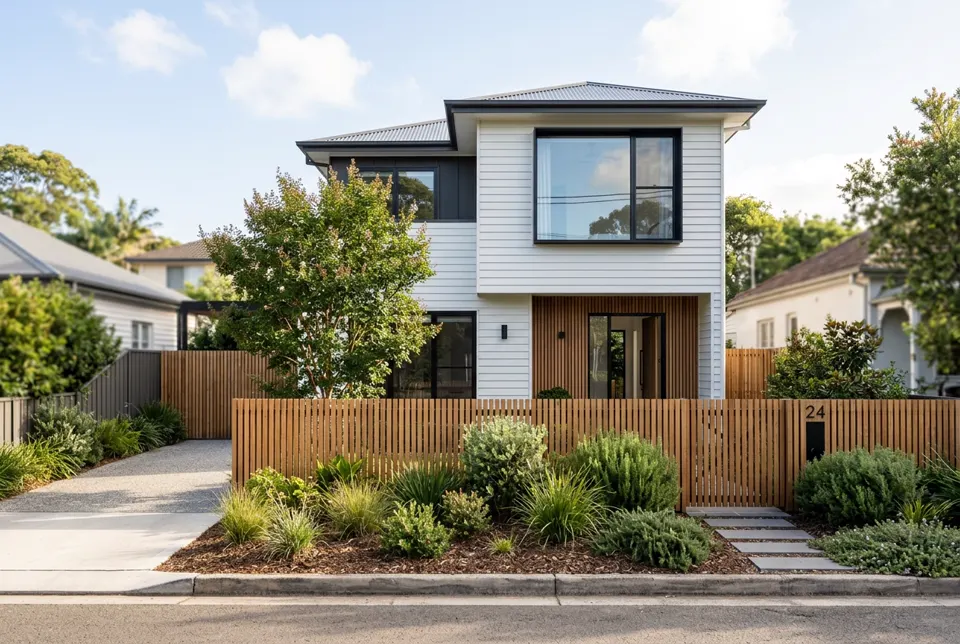
A ground-floor extension builds out into your yard. It usually means new footings or a slab, new walls and a roof that joins the existing house. You can often stay living at home for much of the work.
A second storey builds up. It keeps your yard, which helps on a small block. But it is a bigger structural job. The existing walls and footings must be able to carry the new load, so a structural engineer needs to check them. Part of the roof is removed, the house needs weather protection during the work, and a new staircase takes up floor space downstairs. Many families move out for some of the build.
The right choice depends on your block size, setbacks, the condition of the house and how much yard you want to keep.
What drives the cost
- Size: more floor area means more cost, but small extensions can cost more per m² because some costs are fixed.
- Wet areas: kitchens, bathrooms and laundries cost more than bedrooms or living rooms.
- Structure: steel beams, open-plan spaces, large openings and bifold doors add cost.
- The site: slopes, rock, poor access and retaining walls push prices up. What's The Damage says sloping sites and complex designs push toward $5,000 per m² and beyond.
- Joining the old and new: tying into an existing roof, floor levels and walls takes careful work.
- Services: you may need switchboard upgrades, new plumbing or stormwater work.
- Older homes: houses built before the 1990s may contain asbestos, which must be handled safely.
- Finishes: the quality of flooring, joinery, tapware and appliances makes a big difference.
What quotes often leave out
What's The Damage lists common items that are left out of extension quotes. Ask about each one:
- Council and certifier fees.
- Engineering and soil reports.
- Driveways and landscaping.
- Upgraded appliances and tapware.
- Site costs such as rock excavation or retaining walls.
Also ask about design fees, surveys, temporary living costs if you move out, and a contingency for things found once walls are opened. The NSW Government recommends giving every builder the same brief so their quotes can be compared fairly.
Approvals for an extension in NSW
Most extensions need approval. There are two main pathways.
A complying development certificate (CDC) is a fast-track combined planning and building approval. It can be issued by your council or a registered certifier if the design meets all the standards in the Housing Code. NSW Planning says standard complying development can be decided in up to 20 days, with neighbours notified before approval.
A development application (DA) goes to your council when a design does not meet the CDC standards, or when the land is excluded, for example because of certain heritage or environmental controls. A DA is assessed on its merits and usually takes longer.
If your extension costs $50,000 or more, you will also need a BASIX certificate. BASIX sets energy and water targets for alterations and additions.
Who you will need
- An architect or building designer to prepare drawings.
- A structural engineer, especially for a second storey, steel beams or a sloping site.
- A surveyor and, on some sites, a geotechnical engineer for a soil report.
- A certifier, who checks the work at key stages.
- A licensed builder with general building work on their contractor licence.
NSW contract and insurance rules
- Work over $20,000 needs a detailed written contract, with the price on the first page and a five clear business day cooling-off period.
- The most you can be asked to pay as a deposit is 10%.
- Your builder must give you a Home Building Compensation (HBC) certificate before taking any money, including the deposit.
- Variations should be agreed in writing before the extra work is done.
We checked these rules on the NSW Government contracts page (updated April 2026). Some older articles quote other thresholds.
Questions to ask your builder
- Can you give me an itemised quote that shows what is included and excluded?
- Which allowances are provisional sums, and how were they worked out?
- Who handles the CDC or DA, the engineer and the certifier?
- How will you join the new roof and floors to the old house?
- What is your contractor licence number, and can I see your HBC certificate?
- What is the payment schedule, and what stage triggers each payment?
- How do you price and approve variations?
Get your extension quoted
If you are planning an extension, describe your job to MyTradeCrew. Tell us what you want to add, your suburb, and whether you have plans yet. We will try to match you with vetted, licensed and insured local builders who can visit and quote on your project.
Frequently asked questions
How much does a 20m² extension cost in Sydney?
Using the What's The Damage Sydney rate of $2,500 to $5,000 per m² (October 2026), a 20m² ground-floor extension works out at roughly $50,000 to $100,000 before exclusions. Small extensions can cost more per m² because some costs are fixed, so get a detailed quote.
Is it cheaper to build up or out in Sydney?
Building out is usually the simpler job, because a second storey needs extra structural work, roof removal and stairs. But on a small block, going up may be the only way to add space. Compare quotes for your own house.
Do I need council approval for an extension in Sydney?
Most extensions need approval. If your design meets the Housing Code standards, you can get a complying development certificate from a council or registered certifier. If not, you need a development application to your council.
What is not included in an extension quote?
Quotes often leave out council and certifier fees, engineering and soil reports, driveways and landscaping, upgraded appliances and tapware, and rock excavation or retaining. Ask each builder to list exclusions in writing.
Do I need an engineer for a home extension?
Most extensions need structural design. A second storey always needs an engineer to check that the existing walls and footings can carry the extra load. Your certifier will tell you which reports are required.
Ready to get quotes?
Compare up to 3 licensed, insured home extensions trades near you. Free.